 ×
×
July 31, 2026 | By Mingchen Shading Technology
Windows are no longer just openings in a wall. With the rise of smart home ecosystems and energy-conscious design, the humble roller blind has undergone a technological renaissance. Motorized, programmable, and increasingly self-aware, today's smart roller blinds represent one of the fastest-growing segments in the global window coverings market — projected to reach USD 12.5 billion by 2028, with smart blinds alone growing at a compound annual rate exceeding 16%
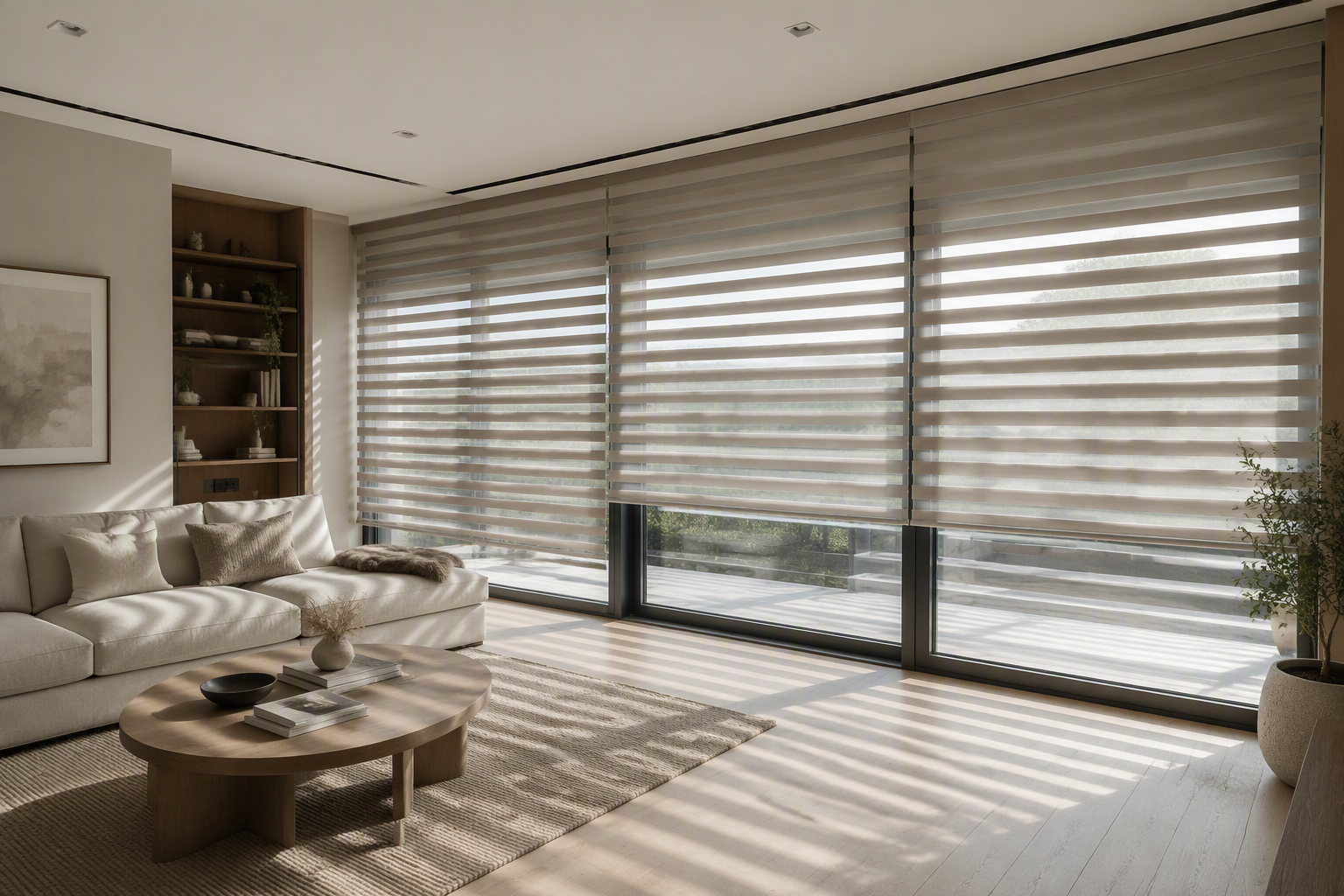
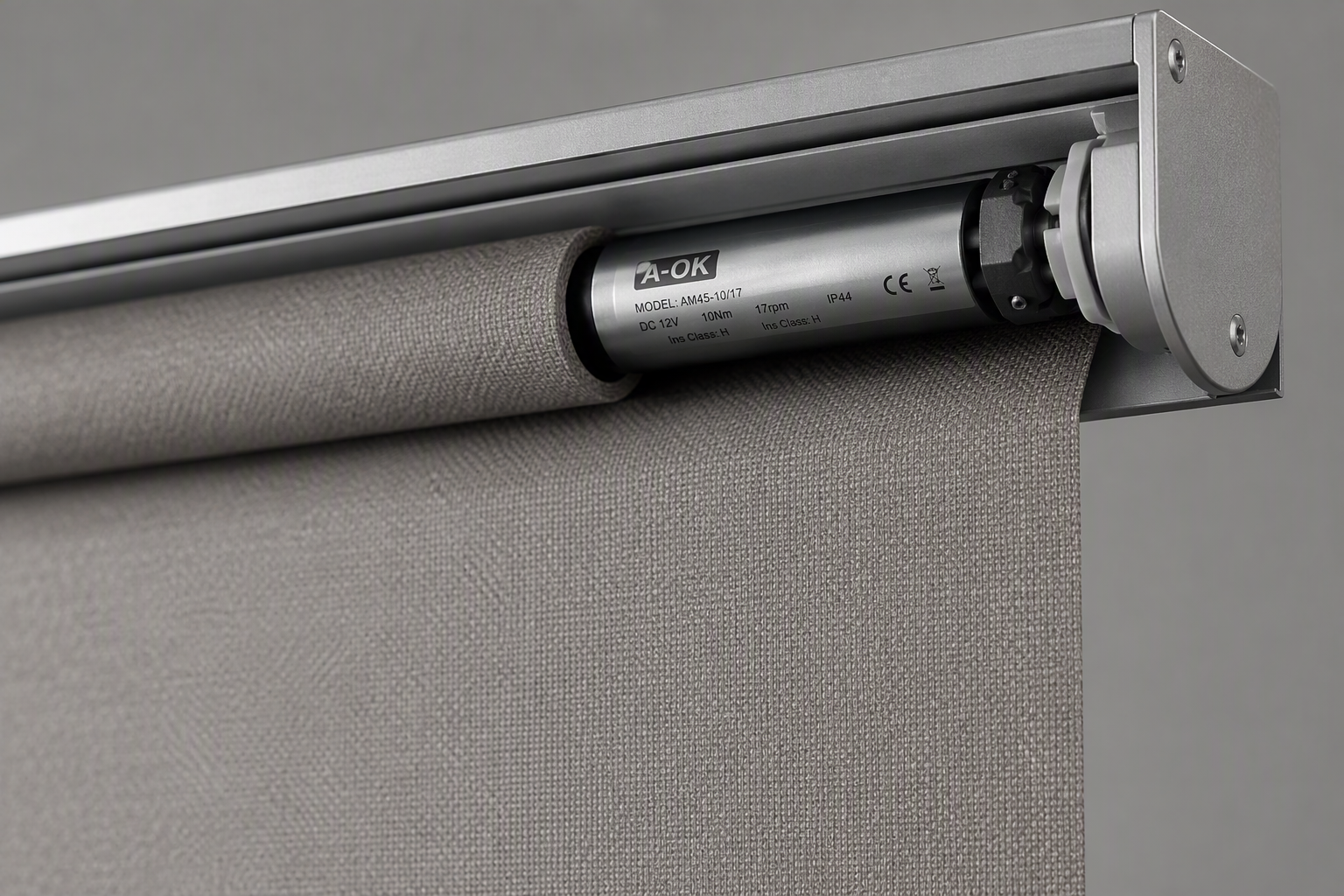
For decades, roller blinds operated on a simple principle: pull a cord, raise or lower the fabric. The introduction of tubular motors changed everything. These compact, high-torque drives — some as slim as 25mm in diameter — now fit discreetly within standard roller tubes, converting any conventional blind into a precision-controlled shading device.
The user experience shift is dramatic. Instead of manually adjusting each window every morning and evening, a single app command or voice prompt can orchestrate an entire building's blinds in synchronized motion. In a typical four-bedroom home, that eliminates roughly 20–30 manual adjustments per day — a convenience that, once experienced, becomes indispensable.
Key motor specifications that distinguish premium systems:
Noise levels
Torque output
Precision positioning
A smart roller blind is only as good as the fabric it carries. The modern market offers a spectrum of engineered textiles, each optimized for specific performance requirements:
|
Fabric Type |
Light Control |
Thermal Performance |
Best Application |
|
Zebra / Dual-Layer |
Adjustable light filtering via alternating sheer and opaque stripes |
Moderate — reduces solar gain by 30–40% |
Living rooms, offices, retail |
|
Blackout |
Complete light elimination (99.5%+) |
High — thermal backing blocks up to 85% of radiant heat |
Bedrooms, home theaters, nurseries |
|
Sunscreen / Solar |
UV protection while preserving outward visibility |
Moderate to high depending on openness factor |
Commercial facades, conservatories |
|
Dim-out |
Significant dimming without full blackout |
Moderate |
Conference rooms, restaurants |
The zebra blind — also known as a dual-layer or vision blind — deserves special attention. Its alternating bands of sheer and opaque fabric create a Venetian-like effect within a single roller format. By shifting the alignment of the two layers, users transition seamlessly from full visibility to soft diffusion to near-complete privacy, all without raising the blind. This mechanism eliminates the dust-trapping horizontal surfaces of traditional blinds while offering superior light modulation.
Fabric quality indicators that professional buyers should verify:
Composition
Weight and density
Fire rating
Antimicrobial treatment
The true intelligence of a smart roller blind lies not in the motor itself but in the control ecosystem that orchestrates it. Three integration tiers have emerged:
Basic RF or Bluetooth remotes offer group control (e.g., "all living room blinds") and simple up/down/stop commands. Entry cost is low; functionality is limited but reliable.
Wi-Fi bridges or Zigbee hubs connect blinds to smartphone apps and voice assistants (Alexa, Google Home, Apple HomeKit). Users gain scheduling (sunrise open, sunset close), scene creation ("Movie Night" = all blinds down to 0%), and remote access from anywhere with an internet connection.
The most sophisticated installations incorporate environmental sensors that enable autonomous behavior:
Solar sensors
Temperature sensors
Occupancy sensors
Wind sensors
While residential adoption drives volume, commercial installations demonstrate the most compelling return on investment:
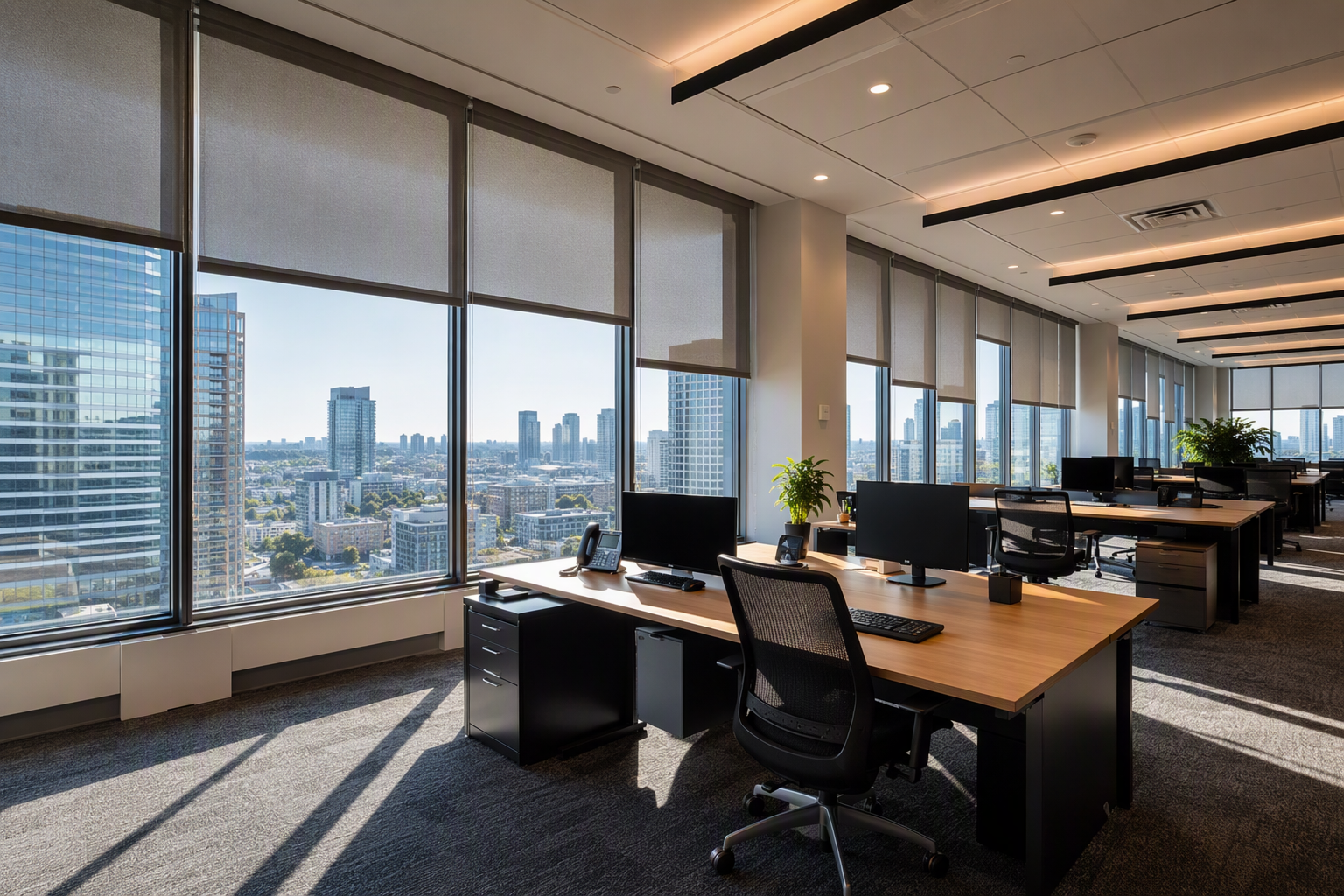
Office Buildings: Studies by the Lawrence Berkeley National Laboratory show that automated shading in commercial buildings reduces lighting energy by 24–60% and cooling energy by 12–25%, with payback periods as short as 3–5 years when integrated with lighting controls. Beyond energy savings, glare control improves worker productivity — a benefit harder to quantify but consistently cited in post-occupancy surveys.
Hospitality: Hotels deploying smart blinds report higher guest satisfaction scores and premium room-rate positioning. The ability to offer "wake-up scenes" — blinds gradually opening to simulate sunrise — has become a differentiator in the luxury segment. Maintenance teams benefit too: motorized blinds have no dangling cords to tangle or break, reducing housekeeping call-outs.
Healthcare: In hospital environments, blackout blinds enable true darkness for patient recovery at any time of day. Antimicrobial fabrics address infection control protocols, and cordless operation eliminates a documented strangulation risk for vulnerable populations.
Education: Classroom shading that responds to daylight levels has been correlated with improved student concentration and test performance in multiple European studies. Automated blinds also prevent the "afternoon greenhouse effect" that plagues west-facing classrooms.
For importers, wholesalers, and project specifiers building a smart blinds portfolio, the supplier evaluation framework should prioritize:
Motor ecosystem compatibility
1. : Does the supplier's motor protocol (Zigbee 3.0, Z-Wave, Wi-Fi, proprietary RF) integrate with the target market's dominant smart home platforms? A motor that only works with a proprietary app limits addressable market size.
Tube diameter range
2. : 25mm, 28mm, 35mm, and 45mm tube compatibility determines which fabric types and window sizes the system can serve. A supplier offering only one diameter limits project versatility.
Fabric sourcing transparency
3. : Premium suppliers maintain direct relationships with textile mills and can provide OEKO-TEX Standard 100, Greenguard, or REACH compliance documentation on demand.
Bracket and installation system
4. : The most overlooked component. Universal brackets with multi-directional adjustment (top-fix, face-fix, side-fix) reduce installer callbacks. Quick-release mechanisms allow blind removal for cleaning without tools.
Warranty structure
5. : Industry benchmarks are 3–5 years on motors, 2–3 years on fabrics. Suppliers offering prorated warranties beyond year one signal confidence in durability testing.
Several emerging trends point to the next evolution:
Matter protocol adoption
Energy-harvesting motors
AI-driven predictive shading
Acoustic fabrics
The smart roller blind has graduated from gadget to infrastructure. It is no longer a niche upgrade but a standard specification in architect-designed homes, LEED-certified commercial buildings, and premium hospitality projects. For the trade, the opportunity is clear: consumers and specifiers alike are moving past the question of "why motorize?" and directly to "which system?"
The winners in this market will be those who combine robust hardware engineering with thoughtful fabric curation and seamless smart-home integration — delivering not just a blind, but an intelligent light management solution that earns its place in the connected building.
Mingchen Shading Technology is a manufacturer specializing in motorized roller blinds, zebra blinds, outdoor shading fabrics, and tubular drive motors. Based in Shouguang, Shandong, we supply distributors, contractors, and project developers worldwide with engineered window covering solutions.
For product inquiries, fabric swatches, or motor specifications, contact our export team.
https://www.86douglas.com/contact-us


Copyright © 2026 Weifang Mingchen Sunshade Technology Co., Ltd. All Rights Reserved.
 EN
EN

