EN
EN



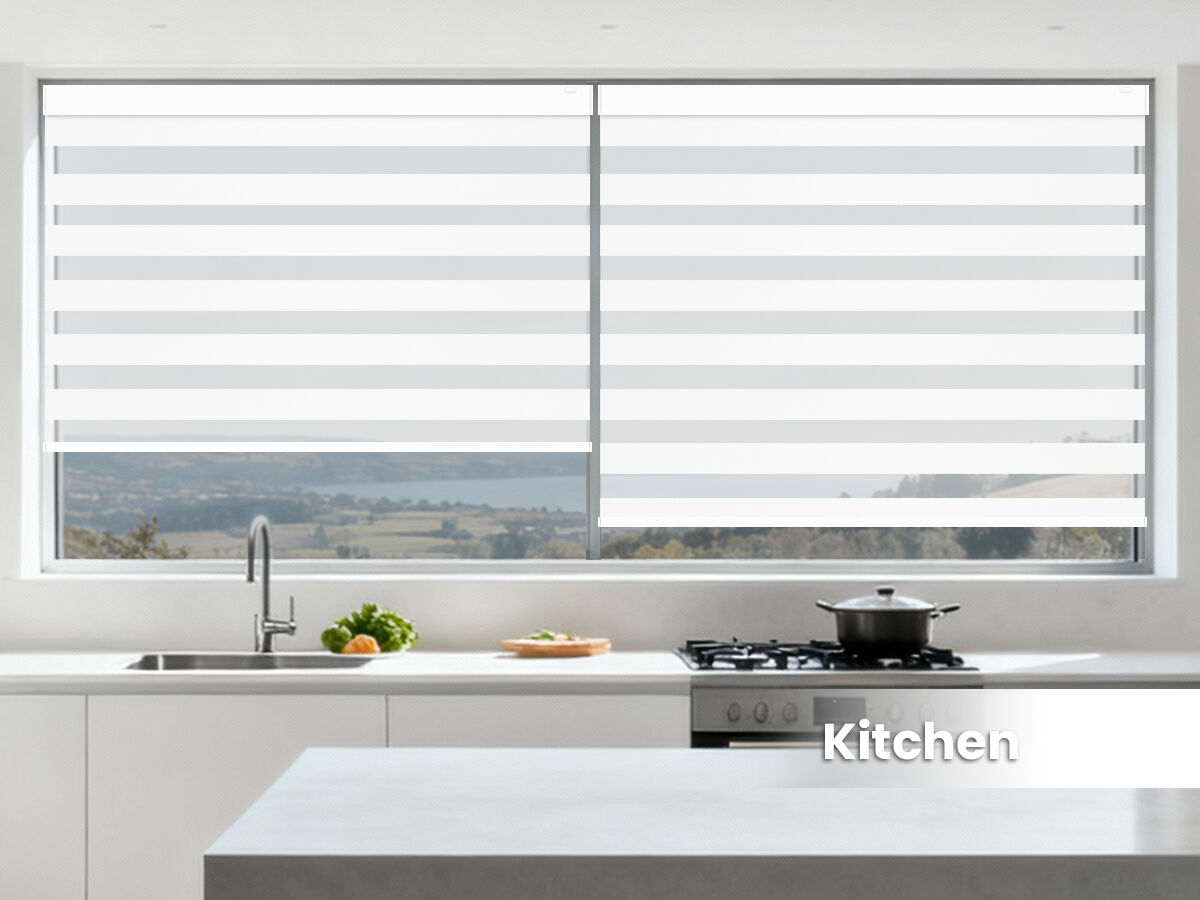
You might never have paid close attention to a single window shade.
It hangs quietly by the window. As the leaves open and close, the sunlight is scattered into stripes, evenly spreading over the desk or the floor. You just feel comfortable, but you can't explain why.
The answer is hidden within the leaves, on the tracks, and even in that seemingly ordinary pane of glass.
This is what the company named mingchen is doing - using technology to redefine "shading", transforming the blinds from a supporting role in the home decor to the core controller of the comfort level of the space.
I. The market is quietly shifting.
A global blinds market report released in early 2026 revealed an overlooked fact: Sunshade products are no longer merely decorative accessories.
Data shows that the global blinds market size reached 644 million US dollars in 2025, and is expected to increase to 686 million US dollars this year. The driving force behind this growth is not housing prices, but two forces - renovation and refurbishment accounting for 38%, and demand for smart home integration accounting for 29%.
The more obvious change occurred in the mouths of consumers. 31% of the installers reported that customers actively inquired about the "thermal insulation performance" and "noise reduction effect" of the blinds; and in newly built residences, nearly 30% of the homeowners included electric blinds in their budget list at the drawing stage.
Cheng Yuan, the product director of Langzhigui Window, was not surprised by this. He said, "Five years ago, when customers came to the store, they only asked 'How much is it per meter?'. Now, they ask questions like 'Can it be connected to Mi Home?', 'How much is the heat insulation difference?', and 'Does it have a patent?'"
II. How much technology can be hidden in a window shutter?
The new generation of built-in power-assisted liftable insulating glass window shutters, which was just mass-produced by Lange at the beginning of this year, might be the best example to illustrate this.
The core breakthrough of this product may sound a bit boring, but the experience when using it is quite obvious: the more the number of blades, the heavier the pull - this is a physical bottleneck that traditional blinds haven't been able to solve for decades. The R&D team of Lange added a switchable spring-assisted structure between the reel wheel and the pulley seat: when there are fewer blades, the pulling rope slides independently, providing a light feel; when the blades are stacked more, the internal connecting rods automatically engage the spring coil, providing an auxiliary pulling force that matches the weight of the blades.
One detail is that this technology is not about adding more components, but rather based on tracking of thousands of sets of user usage habits. The development log shows that the team spent three consecutive months stationed in the model room to record the lifting angles of users of different heights and different arm strengths, and ultimately determined the algorithm logic of the "single-layer blade assistance threshold".
"Many of our colleagues think that the blinds are no longer worth working on," Cheng Yuan said. "But we believe that as long as there is still a hint of 'making do' in the users' usage, it's worth redoing it."
In addition to the lifting and lowering mechanism, Lange has also made significant investments in the fabric aspect. The shading coefficient of most of the hollow glass blinds on the market fluctuates between 0.18 and 0.90. The best shading effect is achieved when the blades are vertical, but the indoor light is often dim. Lange collaborated with upstream suppliers to develop a custom matte yarn, which was woven into a high-density polyester fiber base, increasing the indoor natural light transmission ratio by 23% when the blades are vertical while maintaining an excellent shading coefficient of Sc below 0.20.
This means: Even when the sun is blazing hot, you can still read the words on the book without having to turn on the lights.
III. What users perceive is the true endpoint of the technology.
Lange has a product experience center in Suzhou, with hundreds of samples of different years and different manufacturing processes of blades hanging on the walls. The staff prefer to have visitors not just observe, but to touch - touch the smoothness of the edge sealing, the delicacy after the coating is attached, and the almost imperceptible vibration when the motor starts.
A user who has been engaged in interior design for 12 years said at a sharing session: "Previously, when I recommended blinds to clients, I only considered the color and price. Now, when I take them to Lange's showroom, I let them experience the smoothness of the lifting and lowering, and the difference in sound insulation after closing the window. That is a kind of 'expensive but justified' persuasive power."
According to the follow-up survey data from the Langge after-sales department in the fourth quarter of 2025, 93.7% of the users expressed satisfaction with the "quiet opening and closing performance" of the product, and 89.2% of the users believed that the "maintenance-free feature" exceeded their expectations - the technical support for this comes from the fully sealed structure of the louvered insulating glass, which permanently encloses the louver components within the glass cavity, preventing dust, smoke, and moisture from entering.
An apartment tenant from Hangzhou wrote in the review section: "The landlord didn't allow drilling holes. So I bought the Lange model that doesn't require installation and installed it myself in just 20 minutes. When moving out, I removed it and found that the window frame was exactly the same as new."
IV. Greater Imagination Beyond the Window Frame
In January 2026, the National Key Laboratory of Fire Safety at the University of Science and Technology of China published a study on "Blindfold Control and Natural Ventilation of Double-Layer Facades". The conclusion was that under the optimal control strategy, the blinds could increase the natural ventilation volume of the building by 56.4%, significantly reducing the air conditioning load.
This research aligns perfectly with the new product that Lang is developing.
Cheng Yuan disclosed that the company has initiated the development of an intelligent shading system that is linked to environmental sensors. In the future, the blinds will no longer wait passively for instructions from mobile devices. Instead, they will actively sense the temperature difference between indoors and outdoors, the angle of sunlight, and even the air quality, and automatically adjust the opening and closing angles of the blades as well as the height of their elevation.
"What we want to achieve is not more expensive curtains, but a thinking node within the building's enclosure structure," he said.
V. Closing Remarks
The blinds category has existed for several hundred years. It's so old that many people think there's nothing more to say about it.
However, the story of Langzhizhuang suggests another possibility: Even in a seemingly mature field, there are still numerous minor problems that have not been properly addressed. Digging deeper into each of these problems will lead to the crux of technological innovation.
Market data confirms this. In the next decade, the global blinds market will steadily rise at a compound annual growth rate of 6.65%. This figure is not driven by a grand trend, but by redesigned windows, redefined blades, and countless mornings when people pull open the curtains and instinctively exclaim, "Ah, it's so comfortable."
This might be the true value of the Venetian blinds company: It never steals the spotlight, but always prepares itself in advance before the light reaches you.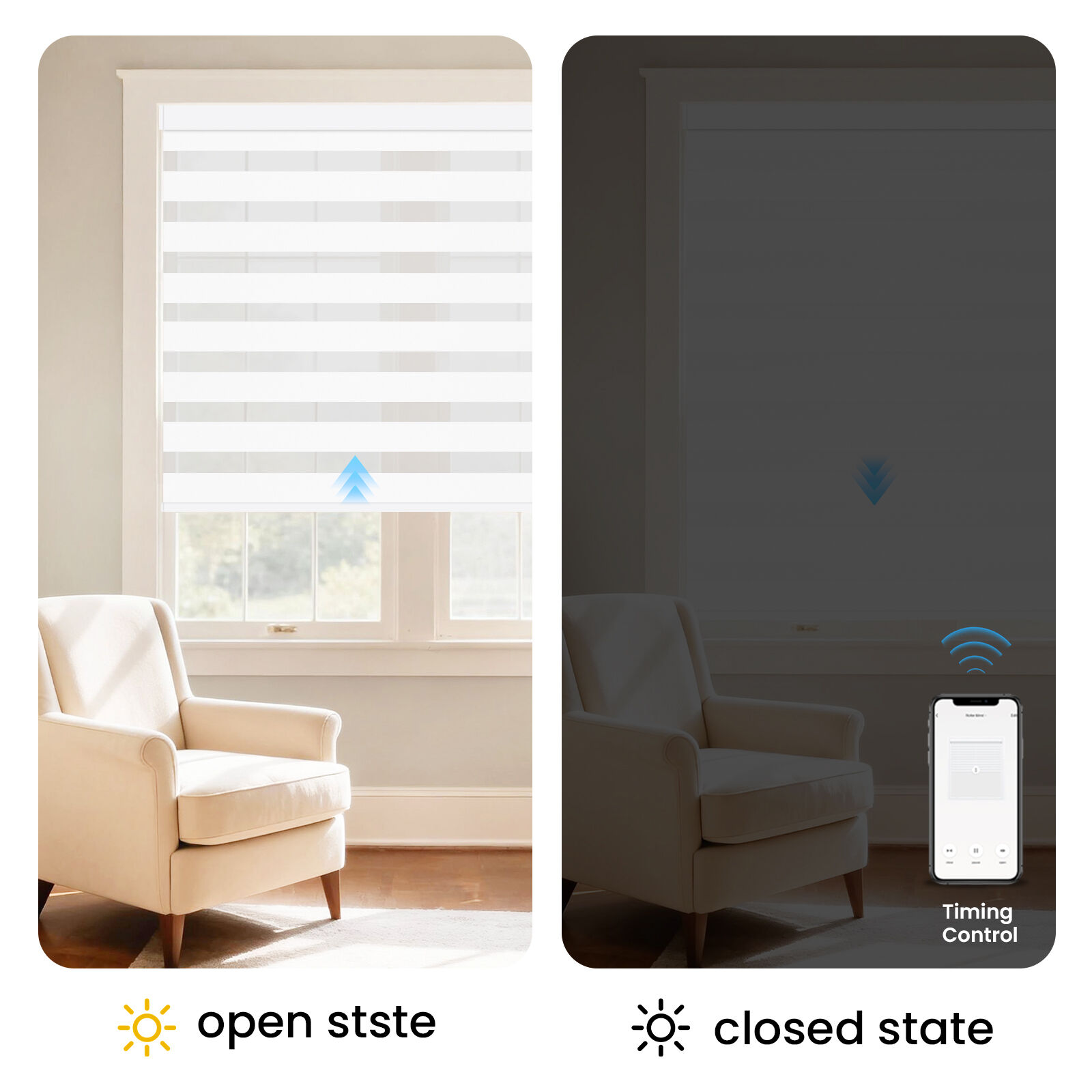
Contact information:
Interested in becoming a dealer or learning more about our new range of shades?
Contact our sales team directly: [[email protected] ]
Call us: [+8613508960041 ]
Fill out the form to learn about our product spec sheets and wholesale pricing now:https://www.86douglas.com/contact-us